One War, Not Four: How the Middle East Was Remade, 2023–2026

A policy paper from The Hormuz Review
A quick note before the argument: this is an early reading of events that are still unfolding, built on reporting and analysis that may yet be revised. It looks at the pattern of behaviour and the structure of incentives, not at anyone’s secret plan, and it leaves the question of who was really driving — Israel or the United States — genuinely open. Quotes from named leaders are given as they were reported.
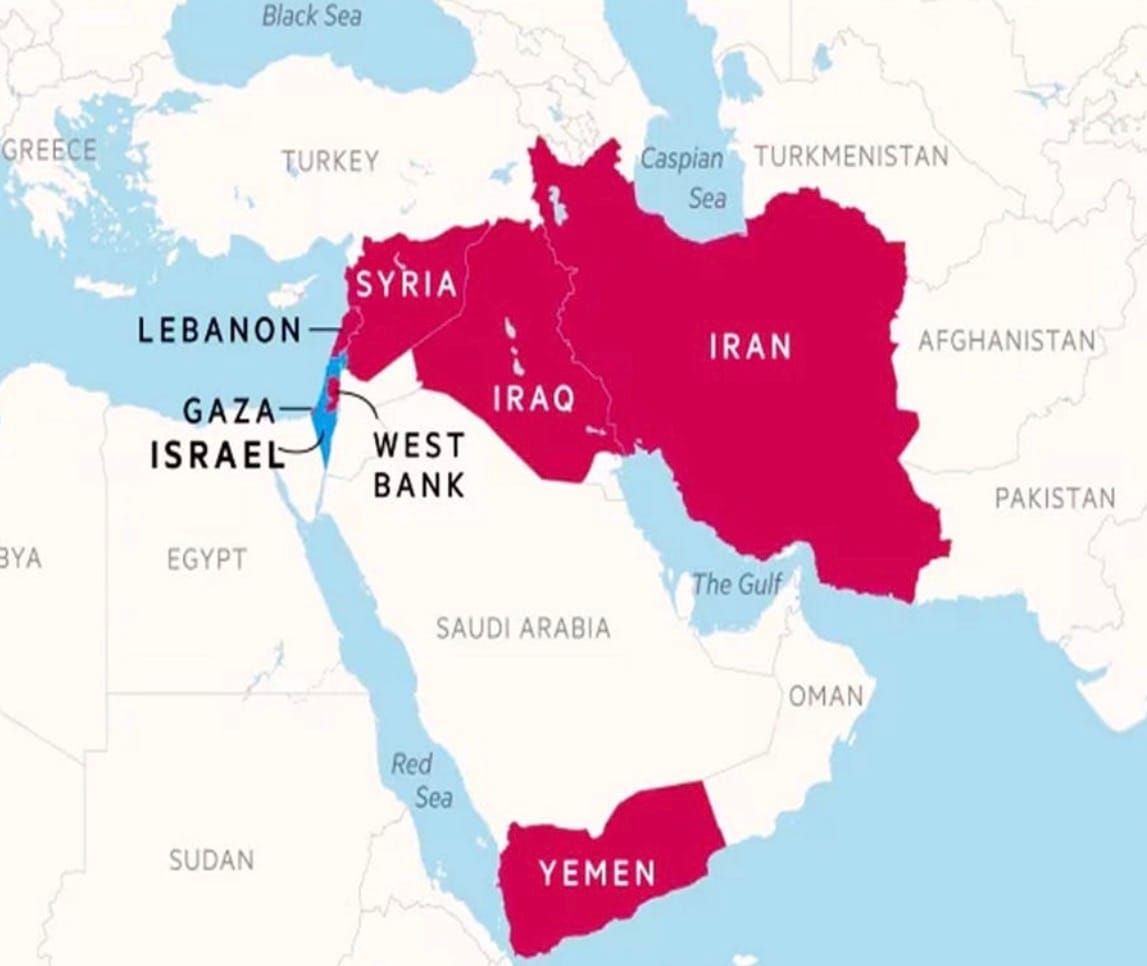
Between the autumn of 2023 and the summer of 2026, the Middle East was rearranged more thoroughly than at any time since the Cold War. A war in Gaza. A campaign that gutted Hezbollah. The sudden fall of Assad. And then two direct wars between an Israeli–American coalition and Iran. We are used to treating these as separate stories, each with its own causes. This paper makes the opposite case: they were one campaign, aimed at dismantling the Iranian-led “Axis of Resistance” — and Israel was the one driving it, with American power as the tool that made it possible.
That needs an immediate caveat, because it is easy to take too far. This was not Israel pulling the strings of a helpless America. Washington had its own reasons and pursued them hard: stopping an Iranian bomb, keeping Gulf oil flowing, cutting a rival down to size, and the plain domestic value of a win. The claim here is narrower — that on this particular campaign, Israel went first and stood to gain the most in the region, while the United States supplied the firepower in pursuit of aims that mostly lined up with Israel’s anyway.
Why call it one war?
Three things point that way. Specialists who study the region increasingly describe the whole period as a single effort to take apart Iran’s network of allies. The main actor said as much himself: after Assad fell, the Israeli prime minister reportedly called it a “chain reaction” across the region and a “direct result” of the blows landed on Iran and Hezbollah. And the order of events tells its own story. Iran’s outer defences — Hamas, then Hezbollah, then the supply route through Syria — were taken down first. Iran itself was hit last. By the time the strikes reached Tehran, the network that was supposed to hit back had already been broken, and it stayed quiet.
I want to be careful with that, though. A sequence that fits a plan is not the same as proof of a plan. The same pattern could come from grabbing each opening as it appeared. What the evidence shows is that the fronts were connected and the logic was coherent — not that any of it was mapped out in advance.
A bet that paid off either way
So what was the campaign for? The best answer is that it was built — by design or just by adapting as it went — to reach the same goal, a dominant position in the region, whether it won outright or settled.
The first way to win was the obvious one: destroy Iran’s nuclear programme, smash its missiles, and maybe topple the government. The opening strikes, aimed straight at commanders and the leadership, suggest the goal was bigger than just damaging hardware. But the one target that mattered most — the deeply buried Fordow site — could only be hit by the United States. That cuts both ways, and it does not settle who was really in charge.
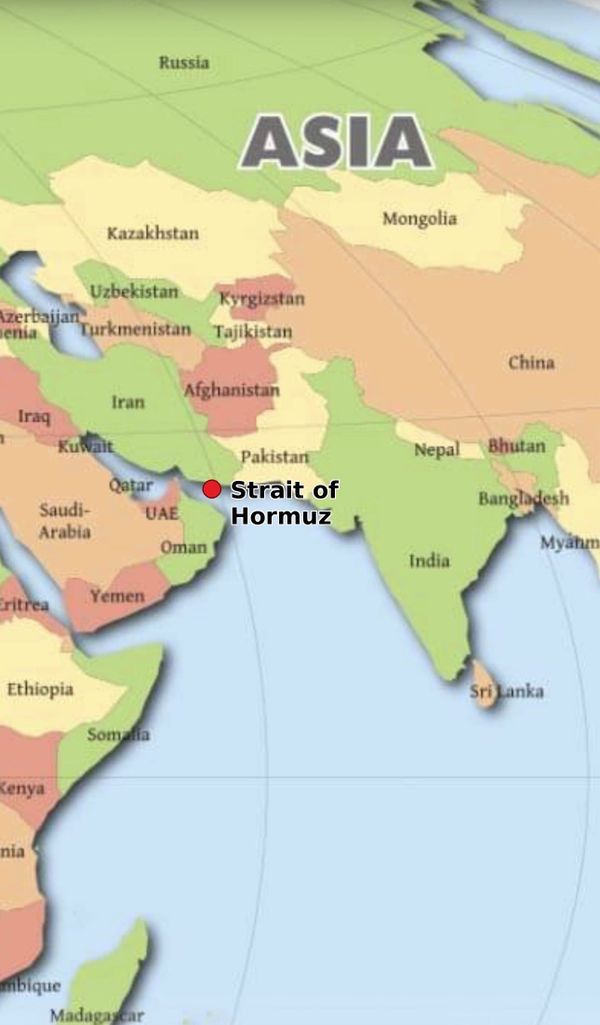
That first path didn’t work, and the reason is revealing. Iran could close the Strait of Hormuz and hit Gulf oil facilities, and it did. You cannot force a country to surrender when it can set the region’s energy supply on fire on the way down. So the campaign shifted to its second path: not destroying Iran, but boxing it in — turning the military moment into a new diplomatic order where the Sunni Arab states recognise Israel, leaving Iran isolated politically the way it had been isolated militarily. Win by elimination, or win by encirclement. Either way, the same prize. Which is why falling short of a knockout wasn’t the campaign failing — it was the campaign switching tracks.
The trap at the centre of it
This is the part worth slowing down for. For forty years, the Gulf monarchies bought their security with a simple deal: stay aligned with Washington, get American protection. The 2026 war broke that deal in plain view. In the first hours, Iran hit every Gulf state — the UAE hardest — and cheap drones flying in swarms got through defences that decades of American weapons were supposed to stop.
Here’s the trap. The Gulf’s exposure is exactly what gives the normalization deal its teeth: because these states pay the price when war comes back, they have a reason to accept a settlement — and that reason can be steered toward recognising Israel. But the very same exposure teaches them the opposite lesson, too — that lining up with Washington and Israel is what painted the target on them in the first place. The thing that creates the pressure also creates the urge to slip out from under it. And Iran works that same nerve, hitting the Gulf precisely to make the point that the alliance costs them more than it’s worth. The lever and the resistance are the same fact. That’s why nobody can say yet how this ends.
The pushback
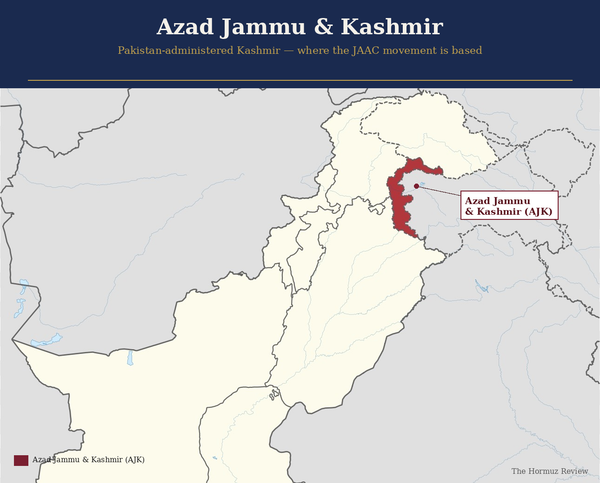
In late May 2026 the American president reportedly told eight Muslim-majority countries they should join the Abraham Accords, and tied it directly to ending the war. But instead of falling into line under pressure, the key players hedged. Saudi Arabia stuck to its condition — a real, irreversible path to a Palestinian state. Pakistan said no in public. And a tentative line-up of Saudi Arabia, Pakistan and Turkey started to take shape, including talk of a security arrangement that pointedly leaves Israel out.
None of that should be oversold — it’s early, and the grouping is thin. But the drift is toward keeping their distance, not piling in, which is exactly what you’d expect when one power reaches for dominance. Lean on the very states whose cooperation you need, in a way that puts them in the firing line, and you raise the price of their cooperation rather than lowering it.
An ending nobody has written yet
The cleanest way to sum it up: this was a bid for dominance that won the war and stalled the peace. Iran’s network is broken, its leadership was hit, its nuclear programme set back — but the wave of normalization never came. What’s emerging instead is messier and more balanced: Gulf states shopping for security beyond Washington, a Sunni-weighted grouping forming without Israel, and an Iran that lost badly but didn’t fold. More a standoff among wary powers than a region under one master.
That isn’t a military failure — the fighting mostly went Israel’s way. It’s the trap doing its work. And the honest conclusion is a modest one: not that the bid won or lost, but that it split into a battlefield success and a diplomatic dead end, and which one defines the region is still being decided.
The full policy paper — with the theoretical framework, the four-pole regional model, the Pakistan case study, and the full treatment of alternative explanations — is available below.
Muhammad Farrukh Munir is the editor of The Hormuz Review. He is a Master of Research student in Australia specialising in South Asian geopolitics and great-power competition, an electrical engineer by training, and spent eight years in Saudi Arabia’s oil and gas sector.