When the Chokepoint Closes

A summary of a new working paper from The Hormuz Review. The full 36-page analysis — with methodology, country case studies, and bibliography — is available to download at the end of this article.
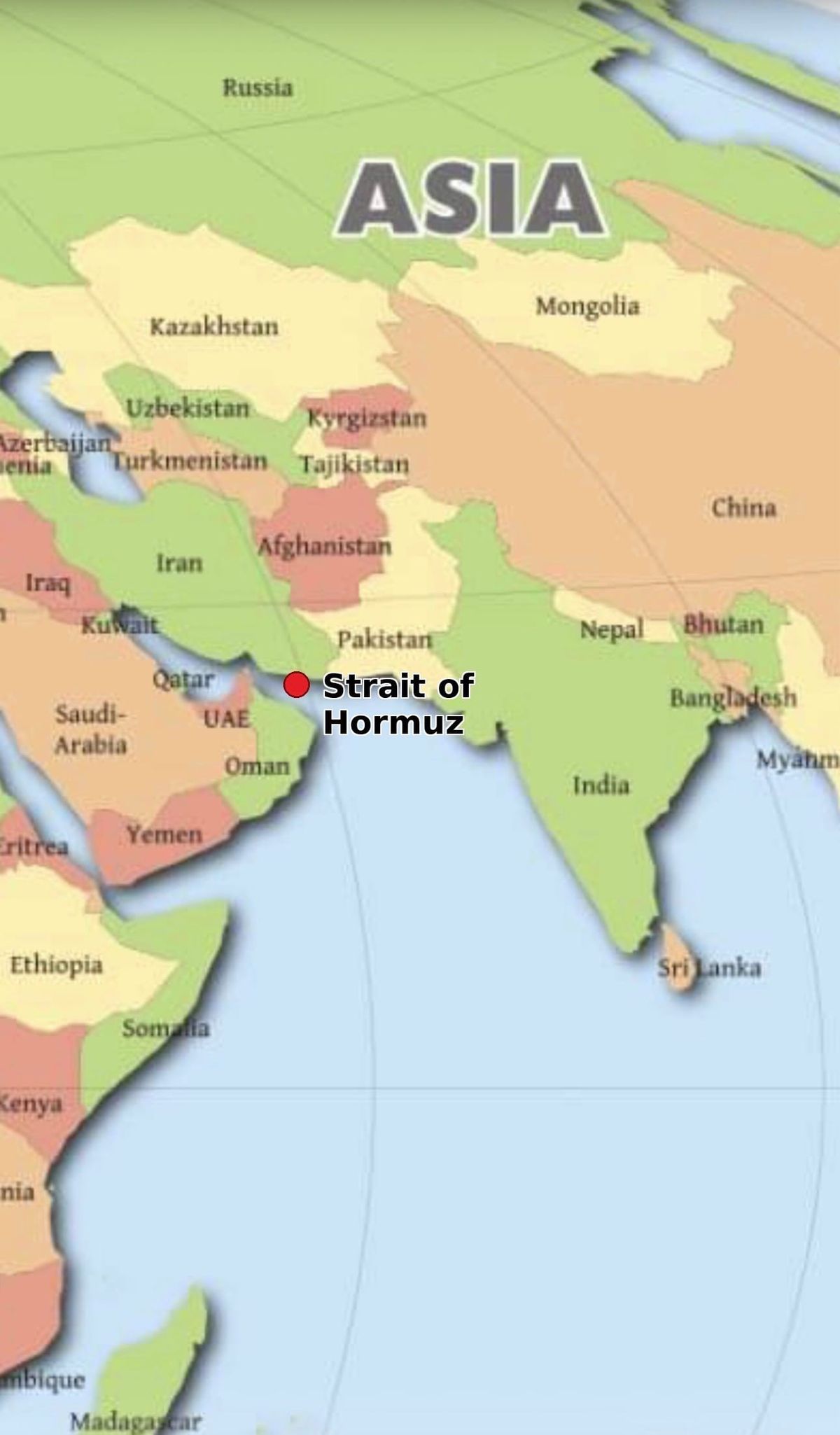
The Strait of Hormuz is twenty-one miles wide at its narrowest navigable point. Roughly a fifth of the world’s oil and a fifth of its liquefied natural gas pass through it in a normal year, and about eighty-four per cent of that volume is bound for Asia. The 2026 disruption — when transit fell to around five per cent of its pre-conflict level — has turned a long-standing strategic worry into a live test of how the global economy behaves when its most important maritime chokepoint is squeezed.
This paper argues that the answer is not the one most people expect. A sustained Hormuz closure is not, at its core, an energy price shock. It is a supply chain contagion event — and its most damaging effects show up far downstream from the Gulf, on timelines and in places that energy-price commentary tends to miss.
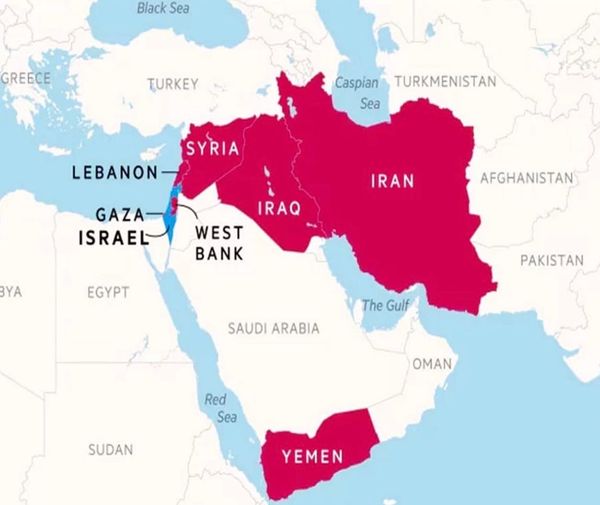
A regional shock with a global footprint
The headline framing of any Hormuz scare is the oil price. That matters, but it is the least interesting part of the story. The more consequential mechanism is what happens when energy disruption propagates through the economies closest to the strait and out into the production networks they feed.
The paper models this as a three-tier cascade with a surprisingly predictable rhythm. First-order effects, within days to weeks: tanker non-arrival, supplier force majeure, spot-price spikes, physical shortages. Second-order effects, within four to eight weeks: factories curtail production, orders for inputs are deferred, national export volumes fall. Third-order effects, within eight to sixteen weeks: inventory runs dry in Western retail and pharmaceutical channels, and the disruption reaches end consumers in Europe and North America.
That last timeline is the one worth sitting with. Because it tracks ordinary inventory cycles in fast fashion, pharmaceuticals, and consumer goods, the consumer-market impact arrives on its own schedule — regardless of when the strait itself reopens. A quick political resolution does not cancel a shock already in the pipeline.
Same shock, four very different countries
The paper refuses to treat “South Asia” as a single exposed bloc. Four economies share a common origin of risk and respond in very different ways.
India is, paradoxically, the most resilient despite being the largest absolute importer. Its post-2022 pivot to Russian crude — arriving entirely outside Hormuz — now covers a large share of its imports, and it holds roughly seventy-five days of combined cover, a refining surplus, and a seat among the nations granted selective transit. It has buffers, and it has time.
Pakistan sits in the middle: smaller absolute exposure, but around ninety per cent of its crude and nearly all of its LNG move through the strait, against thin reserves and a binding IMF programme. Its 2026 response leaned on Red Sea routing through the Saudi port of Yanbu and on diplomacy.
Bangladesh is the most structurally fragile. About a third of its gas supply is imported LNG, and every cargo lands at a single offshore terminal cluster. When suppliers declared force majeure within a five-day window, the country lost all three of its long-term LNG channels at once — idling power plants, shutting urea factories during the rice season, and cutting power to the garment sector that earns the bulk of its export income.
Sri Lanka, smallest of the four, carries the scars of its 2022 default: thin reserves, no fiscal room to absorb price spikes, and a population with little tolerance for renewed fuel shortages. It is also exposed twice over, since it leans partly on India’s spare capacity for emergency support — capacity any closure also strains.
Three channels carry the shock to the West
Beyond energy, three channels turn a Gulf disruption into a global one. First, energy to industrial production: gas and power shortfalls curtail textile and garment output, hitting European and American retailers’ order books within weeks. Second, fertiliser to food security: the Gulf supplies a large share of the world’s urea and ammonia exports, and disruption during sowing season feeds through to crop yields and food prices a season later. Third, refining and pharmaceuticals: India refines Hormuz crude into products it exports globally and makes a fifth of the world’s generic drugs, so constrained throughput propagates into Western fuel and medicine supply.
What it means for policy
The paper is careful about what it is: scenario-based foresight, not prediction. It models three outcomes bounded by how long the closure lasts — under five months, six to twelve months, and beyond twelve months — and assigns no probabilities to any of them.
Three lessons emerge. Strategic reserves of the size India and Pakistan hold prove far more useful than the thin buffers of Bangladesh and Sri Lanka. Diversification arranged before a crisis beats improvised substitution under pressure. And the concentration of critical infrastructure at single nodes is a risk that financial hedging cannot fix; it requires physical redundancy.
The deeper takeaway is a reframing. The right question during a chokepoint crisis is not only “how high will oil go?” It is “which factories go dark, which harvests fail, and which shelves empty — and when?” A strait closure is best understood not as a regional energy disruption with global price effects, but as a global supply chain event that happens to begin in the Gulf.